Shop by Pearl Type
Types of Pearls: Akoya, Tahitian, South Sea & Freshwater
Compare the four major cultured pearl families by luster, color, size, shape and typical jewelry use, then explore current Will Pearl selections and detailed buying guides.

Cultured Pearls
Akoya Pearls
Classic white pearls known for bright luster and refined round shapes.
Shop Akoya Pearls →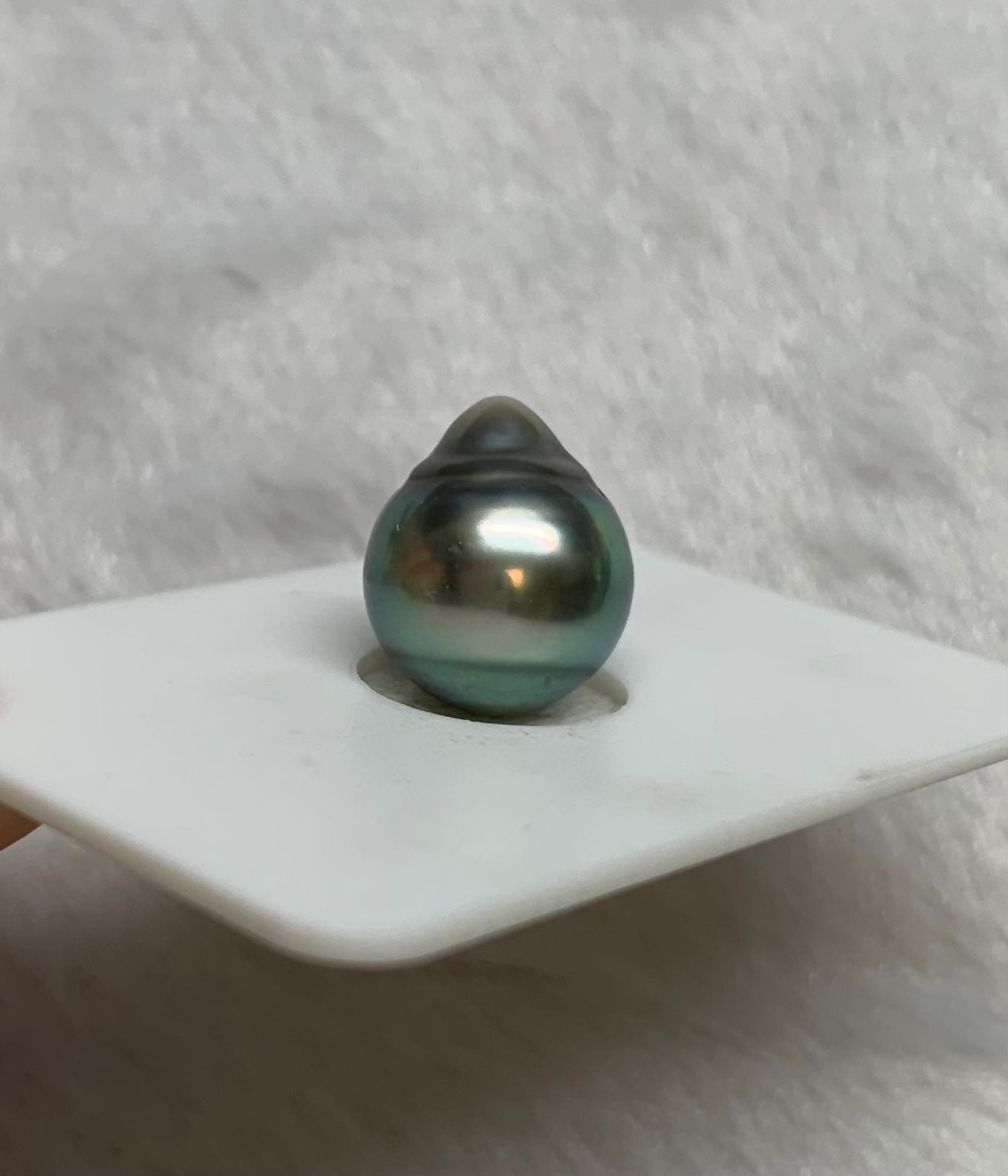
Cultured Pearls
Tahitian Pearls
Naturally dark pearls with green, peacock and charcoal overtones.
Shop Tahitian Pearls →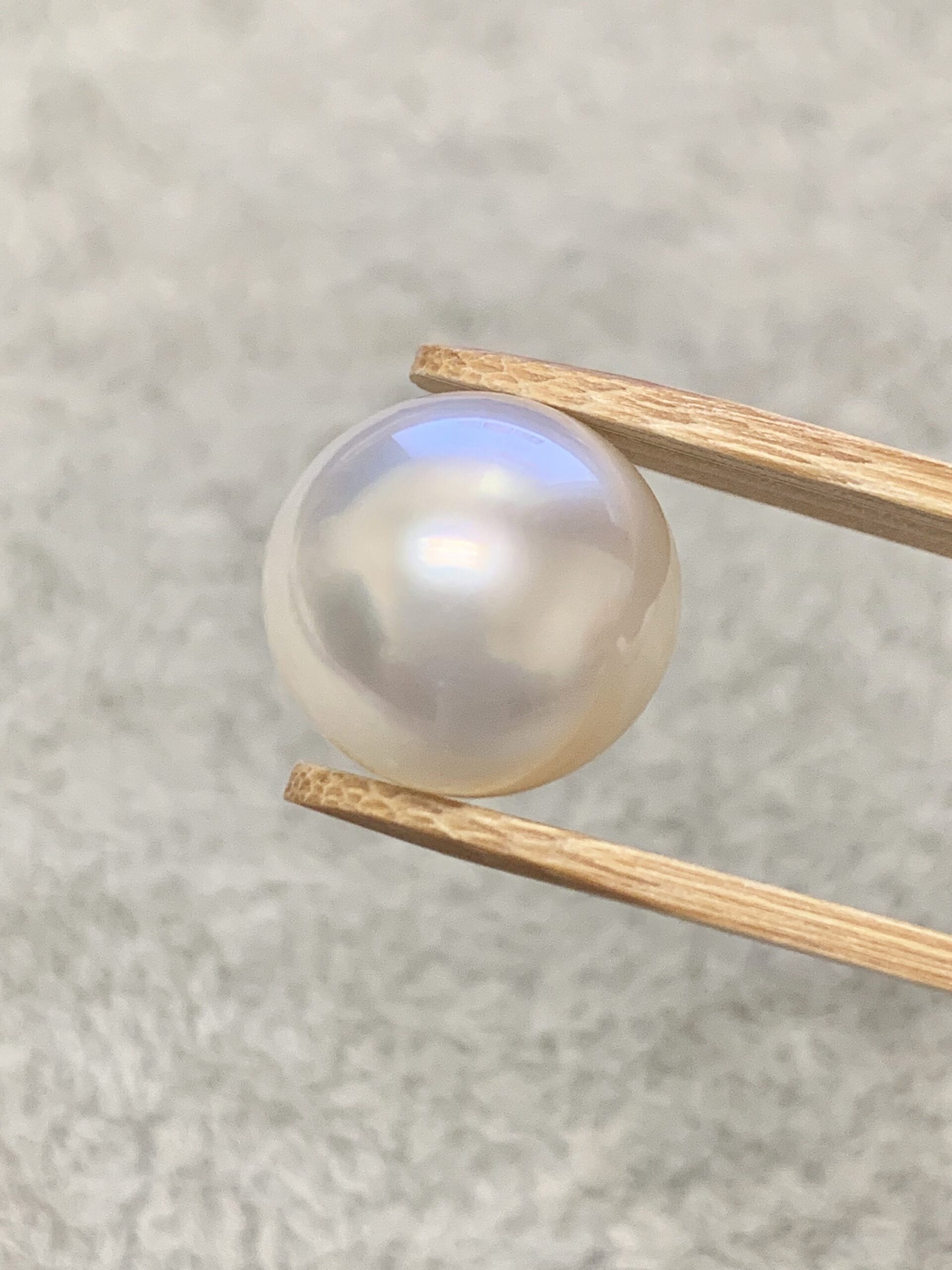
Cultured Pearls
South Sea Pearls
Large cultured pearls ranging from luminous white to warm golden tones, prized for their scale and satiny luster.
Shop South Sea Pearls →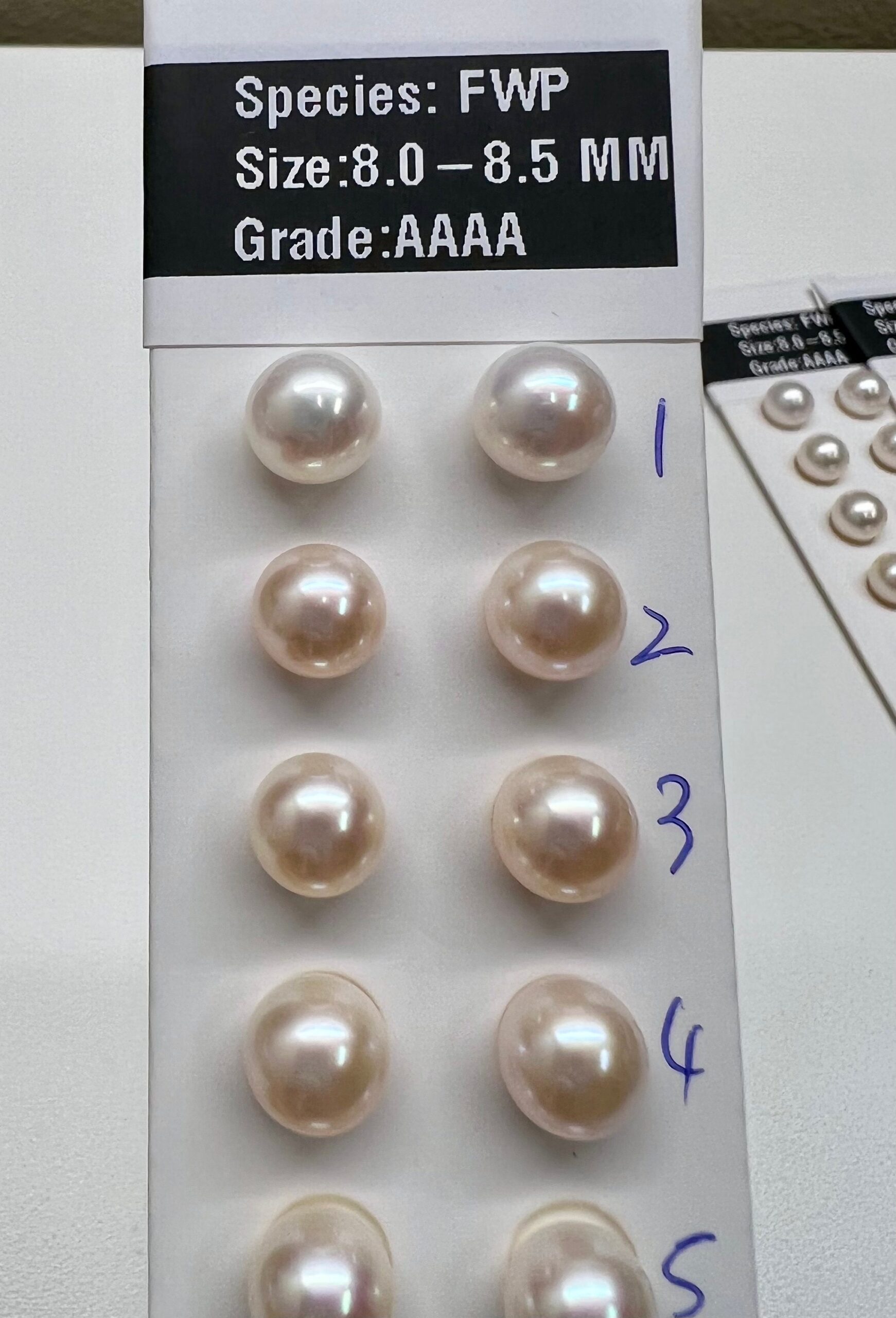
Cultured Pearls
Freshwater Pearls
Versatile cultured pearls available across a broad range of jewelry styles.
Shop Freshwater Pearls →At a Glance
How do the four cultured pearl types differ?
Akoya, Tahitian and South Sea pearls are saltwater cultured pearls. Freshwater cultured pearls grow in freshwater mollusks. The family helps explain appearance and growing environment; it does not establish the quality of an individual pearl.
| Pearl family | Growing environment | Typical appearance | What to check |
|---|---|---|---|
| Akoya | Saltwater | Often white or cream; commonly selected for round shapes and bright reflections. | Luster, surface, overtone and matching. |
| Tahitian | Saltwater | Often dark gray, brown or black with varied overtones. | Actual color in photographs, shape and pair matching. |
| South Sea | Saltwater | White, silver or golden; known for larger pearl sizes. | Dimensions, luster, surface and color consistency. |
| Freshwater | Freshwater | A wide variety of shapes, sizes and colors. | Exact dimensions, shape, color disclosure and drilling. |
Background: GIA's cultured pearl descriptions. General family characteristics do not confirm the origin, treatment or quality of a specific listing. Check the item's own specifications and ask about any missing details.
Does cultured mean imitation?
No. Cultured pearls form in living mollusks with human assistance. Natural pearls form without that intervention. These terms describe formation; a natural color description does not mean a pearl is a natural, uncultured pearl.
Akoya
Choose Akoya pearls for a classic saltwater look with bright luster, refined round shapes and a typically smaller scale suited to traditional strands, earrings and pendants.
Tahitian
Choose Tahitian pearls for naturally dark bodycolors and varied overtones such as silver, green and peacock, with individual color and shape playing a major role in selection.
South Sea
Choose South Sea pearls for larger scale and a softer satin-like glow, with natural color families ranging from white and silver to champagne and golden tones.
Freshwater
Choose Freshwater pearls for the broadest variety of shapes, colors, sizes and price points, making them useful for finished jewelry, matching and custom projects.
Compare Before You Buy
Use the pearl type together with quality and size.
Pearl type explains the cultured pearl family, but the final appearance also depends on luster, surface, shape, color, nacre, size and matching.